A cup of sweet chai at your desk. A juice carton a child keeps going back to after school. A bottle of flavoured milk carried through a Vijayawada afternoon. Each can feel like one drink, even when it is taken in small sips over several hours.
Short answer: yes, sweet drinks can contribute to tooth decay, and the way you drink them matters. A sweetened drink finished in one sitting exposes your teeth to sugar once. The same drink sipped for hours exposes them again and again. One cup of chai does not automatically cause a cavity, but repeated sugar exposure over time can. [3] [2]

Key takeaways
- How often sugar reaches your teeth matters as well as how much sugar is in the cup.
- Finish a sweetened drink in one sitting rather than sipping it across the morning.
- Honey, jaggery and fruit juice still count as sugar.
- Water is the best everyday drink between meals, and children should carry water, not juice.
What happens to your teeth after a sugary drink?
Bacteria live in the mouth and collect in plaque, the sticky film on teeth. Some of them use sugars from food and drinks to make acids. Those acids can remove minerals from enamel, the tooth's hard outer surface.
Saliva helps replace those minerals, and fluoride supports the repair. When acid exposure keeps happening and more minerals are lost than replaced, enamel weakens and a cavity may eventually form. This builds up over time. [2]
Why does sipping all day matter more than one cup?
Picture two ways of having the same sweet drink. In one, you have it with breakfast and finish it. In the other, it stays on your desk and you return to it all morning.
The second pattern brings sugar back into the mouth again and again. The Indian Dental Association explains that frequent sugar between meals extends the time during which bacteria can produce acid. [1] The American Dental Association gives the same practical advice: finish a sweetened drink in one sitting instead of sipping it over a long period. [3]
You can still drink at a comfortable pace. The aim is simply not to stretch one cup across hours. Cutting the total sugar matters too: the World Health Organization links a continued high intake of free sugars, too little fluoride and plaque left on teeth to decay. [4]
Is sweet chai bad for teeth?
For a chai drinker, the useful question is how much sugar goes into the cup and how the cup fits into the day. Unsweetened tea is among the lower-sugar drink options listed by the American Dental Association, while sweetened tea is on its list of sugary drinks. [3]
If you take sugar in your chai, a practical start is to add a little less and let your taste adjust. A smaller cup that you finish during your tea break also works better than topping up a cup all morning. Swapping sugar for honey or jaggery does not remove the sugar: WHO counts sugars added by the cook or consumer, and sugars in honey, syrups and fruit juices, as free sugars. [4]
Which drinks have hidden sugar?
Sweet chai and coffee are not the only ones. The Indian Dental Association lists fizzy drinks, energy and sports drinks, fruit drinks and juices, sweetened milk drinks, powdered drinks, cordials and flavoured waters in its guidance on sugary drinks for children and young people in India. [5] Fruit juice can contain free sugars even when no sugar has been added. [4]
For packaged drinks, read the ingredient list and nutrition information rather than the name or picture on the front. The IDA suggests buttermilk, lassi, coconut water and lemon water in place of bottled soft drinks and fruit juices; keep them free of added sugar to get the benefit. [5]
Small changes that are easy to keep
Start with the sweet drink you have most often. You could:
- Keep a water bottle beside your work desk or in the bag you take out.
- Use a little less sugar in tea or coffee.
- Have a sweet drink at a set meal or break, then put the cup away.
- Avoid refilling a bottle or cup with a sugary drink through the day.
WHO recommends favouring water as the main drink as part of a diet low in free sugars, and the IDA encourages switching sugary drinks to water. [4] [5] Pick one change your household can keep, for example agreeing that the bottle carried around in the afternoon holds water.
Sweet drinks and children
For children who drink juice, the ADA recommends offering it with meals only and putting only water in the cup they carry around during the day. [3]
After the bedtime tooth brushing, avoid giving anything sugary. Saliva flow decreases during sleep, so teeth are less able to repair themselves after an acid attack. [2]
Milk and feeding advice depends on age. A baby or young child may need different guidance from an older child, so ask your dentist or paediatrician. If you are planning a first appointment, our guide to your child's first dental visit explains what to expect.
Brushing, flossing and the rest of the routine
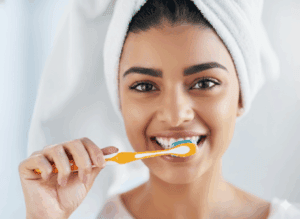
Changing what you drink works alongside regular oral care. WHO recommends brushing twice a day with fluoride toothpaste, and young children should be supervised when they brush. [4] [2] Ask your dentist how much toothpaste suits your child's age.
Cleaning between the teeth with floss or another suitable method also belongs in the routine, and the IDA's general guidance stresses regular brushing, flossing and dental visits. [6] More on this: oral hygiene tips and foods for healthy teeth.
When should you see a dentist?
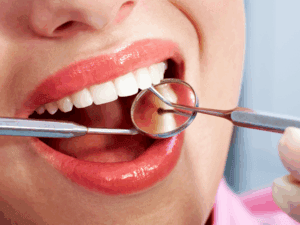
Early tooth decay usually has no symptoms. As it advances it can cause a toothache or sensitivity to sweet, hot or cold foods and drinks. [7] These symptoms can have other causes too, so a dentist should examine the tooth rather than you guessing. Read about early signs of tooth pain and how X-rays help find decay early.
At a routine check-up you can also ask about your usual drinks. Note what you drink, what goes into it and whether a cup lasts a few minutes or several hours. Regular check-ups are the best way to catch problems early.
Frequently asked questions
Is sipping tea all day bad for your teeth?
If the tea is sweetened, sipping it for hours brings sugar back to your teeth again and again, which gives bacteria more time to make acid. Unsweetened tea is among the lower-sugar options listed by the ADA.
Does sugar in chai cause cavities?
Sugar is food for the bacteria in plaque, and their acid can wear away enamel. A cavity develops from repeated exposure over time, so a single cup of chai does not automatically cause one. Drinking it in one sitting and brushing with fluoride toothpaste twice a day help.
Is honey or jaggery in tea better for teeth than sugar?
Not in a way that removes the problem. WHO counts sugars added by the cook or consumer, and sugars in honey, syrups and fruit juices, as free sugars, so honey and jaggery still count.
Is fruit juice a safe drink for children?
Fruit juice contains free sugars even without added sugar. The ADA advises giving juice to children with meals only, and keeping the cup they carry around for water.
Can children have a sweet drink at bedtime?
It is best to avoid it. Saliva flow decreases during sleep, so teeth are less able to repair themselves, which is why nothing sugary should follow the bedtime brushing.
Which dentist can I see in Vijayawada about tooth decay?
Krishna Dental in Ramachandra Nagar, Vijayawada, offers dental check-ups for adults and children. Call +91 871-260-4699 or message us on WhatsApp to book.
Book a visit at Krishna Dental, Vijayawada
If you have a toothache, sensitivity or just questions about your family's drink habits, come and see us. We are open seven days a week, 9:00 am to 5:00 pm.
- Call: +91 871-260-4699
- WhatsApp: message us on WhatsApp
- Visit: 59-1-18, NO.5 Bus Route, Metropolitan Hotel Road, Ramachandra Nagar 8, Vijayawada 520008
More reading: Pediatric Dentistry at Krishna Dental · Oral Hygiene Tips · Tooth Decay X-Ray and Early Detection · Making Brushing Fun for Kids · Contact us
This article is general educational information, not a diagnosis or a substitute for a dental examination. Sources checked 10 October 2026.
Sources
- Indian Dental Association, Nutrition
- NIDCR, The Tooth Decay Process
- American Dental Association, Sugar Drinks and Dental Health
- World Health Organization, Oral Health
- Indian Dental Association, Mumbai Declaration on Sugary Drinks and Healthy Food
- Indian Dental Association, General Guide for All
- NIDCR, Tooth Decay